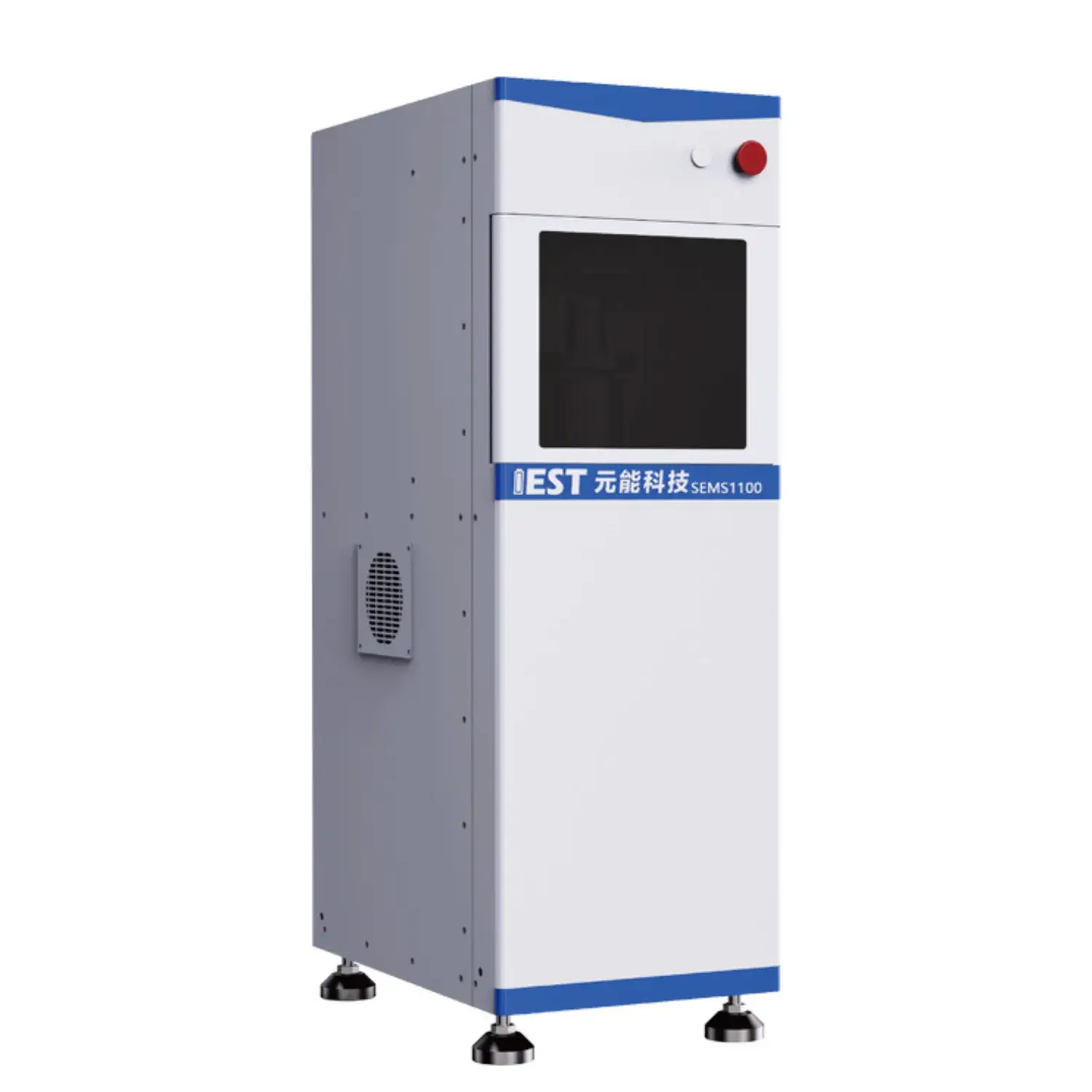
EIS testing reveals internal electrochemical properties in Li-ion cells, across different temperature regimes. Applying analyzing the impedance response of the battery over frequencies, valuable insights can be gained regarding the internal resistance, charge transfer kinetics, and overall stability of the lithium-ion battery system. In particular, EIS testing can help to quantify the impact on temperature fluctuations on key characteristics such as electrode polarization resistance, ionic conductivity, and double layer capacitance.
- Moreover, EIS data can be used to detect potential failure mechanisms attributable to thermal stress, enabling the development of strategies for optimizing battery structure and improving their overall lifetime.
- The information is crucial for ensuring the safe and stable operation across lithium-ion batteries in a wide range including applications, including vehicles, gadgets and storage arrays.
Accelerated Aging Analysis of Lithium Batteries: A Comprehensive Analysis
Li-ion cells supply a broad spectrum of devices, demanding rigorous testing to ensure their reliability and longevity. Accelerated testing acts as a vital tool for simulating the effects of prolonged use and diverse thermal conditions on battery performance. This copyrightination covers ADT methods, purposes and implementations for lithium batteries.
ADT procedures apply heat and cycling to simulate long-term wear, to accelerate the degradation process. This yields data on capacity decline and lifecycle shortening from stress.
Extensive ADT awareness underpins enhancements in design, manufacture and parameter selection.
EIS Diagnostics for Lithium Batteries
EIS testing measures impedance over frequency to analyze electrochemical mechanisms in Li-ion packs. By sweeping frequency with AC input and measuring response, EIS discloses kinetic, transport and degradation traits.
Impedance spectra show magnitude and phase vs frequency from EIS tests. Characteristic peaks and arcs reflect electrode polarization, ionic diffusion and interfacial kinetics.
Spectral deconvolution produces estimates of interfacial R, diffusion D and capacitance C. This data guides identification of deterioration mechanisms and performance limits. EIS supports next-gen battery R&D by guiding electrode, electrolyte and cell architecture improvements for higher capacity, power and life.
A Comprehensive Guide to Powder Resistivity Testing
A powder-resistivity tester plays a crucial role in the characterization of powdered materials. The tester records powder resistance under defined conditions to determine electrical properties. Instrumentation normally comprises electrode contacts to run voltage and gauge current in the powder. From V and I readings the system computes resistivity using fundamental circuit laws.
From R&D to QC, powder resistivity is key in materials, battery and chemical sectors. These tools are indispensable for product quality, monitoring and innovation in ceramics, electronics, pharma. Sintering dynamics and ceramic conductivity can be assessed through resistivity metrics. Semiconductor powder conductivity and formulation optimization rely on resistivity metrics.
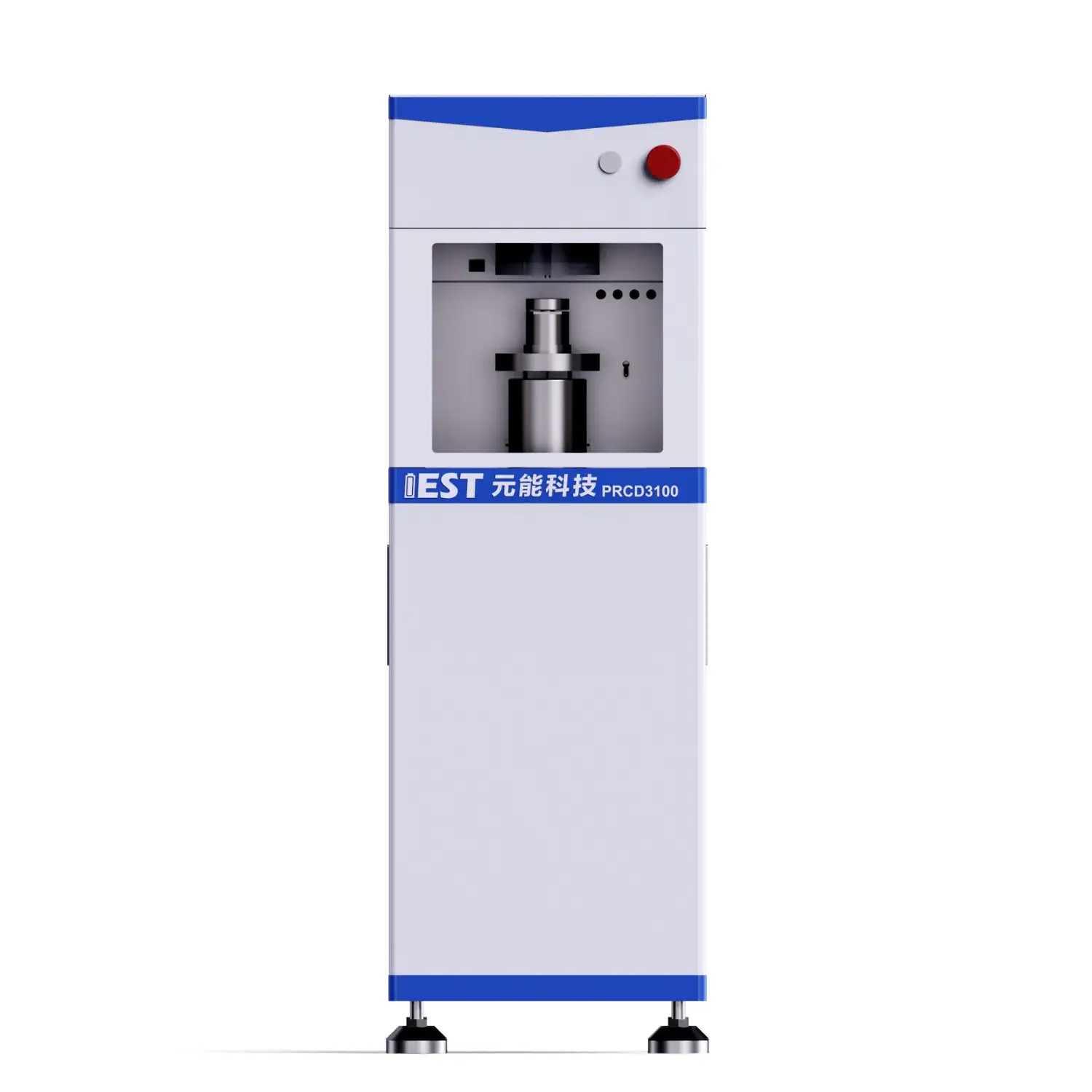
Refining Powder Properties with Real-Time Resistivity Monitoring
Continuous resistivity sensing offers an effective method to tune powder characteristics in production. Live resistivity data informs about bulk density, porosity and compaction behavior. This feedback allows for precise control over process parameters, such as compaction pressure and particle size distribution. Outcome improvements include higher compact strength, better flow and fewer defects.
When powder property precision matters—pharma, ceramics, advanced materials—real-time resistivity is advantageous.
State-of-the-Art Resistivity Analyzers for Powder Research
State-of-the-art resistivity analyzers enable precise electrical characterization of powders. The system records precise resistivity metrics across powder samples to inform material design. Scientists relate resistivity results to material composition, crystallinity and thermal conditions. Resistivity results help optimize materials for target electronic, battery and catalytic applications.
- Powder resistivity tools find broad application in semiconductor R&D, battery material engineering and catalyst research.
- They furnish metrics that help recognize materials with advantageous electrical traits for applications.
Embedded Resistivity Measurement in Electrode Fabrication
In-situ resistivity sensing is central to tuning electrode fabrication parameters. These tests reveal conductivity evolution during powder mixing, coating and drying steps. Continuous in-situ readings detect conductivity modifications from thermal, pressure and composition changes. Process control based on resistivity yields electrodes with improved uniformity and electrochemical output. Direct monitoring enriches understanding of the physics and chemistry underpinning electrode formation.

Accurate Powder Conductivity Measurement Systems
Measuring electrical conductivity of substances is fundamental in material research. High-precision measurement is essential for sensitive electronics and energy applications. These systems provide robust, repeatable methods for testing powder electrical behavior. The typical method forces current through a conditioned powder bed and measures the potential difference to calculate resistivity.
- Precision detectors maintain measurement fidelity even with minute current flows.
- PLC-based systems streamline the measurement process, reducing manual, human, operator error and enhancing reproducibility.
- Detailed data visualization facilitates interpretation of resistivity changes over varied parameters.
Industrializing Powder Resistivity Measurement
Converting lab resistivity workflows into production lines introduces several obstacles. Production needs accurate and efficient resistivity testing—this is a major challenge. Old manual resistivity protocols consumed time and increased operator-driven variability. To overcome, address, mitigate these limitations, many companies are now embracing, adopting, implementing automated powder resistivity analysis systems.
Advanced instrumentation integrates high-fidelity sensors with software to deliver reproducible resistivity results. Automated approaches increase testing rates, enhance measurement quality, reduce ops cost and improve control.
Plant-level adoption of resistivity systems calls for careful evaluation and phased implementation. Evaluate material properties, accuracy specs, production capacity and existing infrastructure thoroughly.
- Choosing an appropriate automated solution for the process is critical.
- Integration with existing production processes should be seamless.
- Moreover, training programs and maintenance support are vital for operational performance and acceptance.
Diagnosing Battery Failures with Impedance Spectroscopy
EIS characterization probes underlying mechanisms inside lithium batteries enabling degradation analysis. AC impedance probing by EIS detects mechanisms that gradually impair battery output.
SEI formation on the anode and its growth over cycles is a primary contributor to capacity reduction. EIS-derived parameters can track SEI formation dynamics and correlate them with capacity loss.
Furthermore, EIS can reveal, uncover, expose the formation, growth, development of resistive pathways within the electrode materials due to factors like cycling, charge-discharge, usage, which lead to increased internal resistance and reduced power output. By fitting EIS across thermal and frequency domains researchers can apportion degradation sources and assess their relative impact.
Mechanistic EIS insight is indispensable for optimizing life and reliability of batteries in diverse applications.
Particle Geometry Influence on Powder Electrical Behavior
Powder resistivity copyrights on particle morphology and size, impacting multiple technology domains. Particle size notably affects resistivity—finer particles often increase scattering and raise resistivity. Particle configuration and distribution shape the electrical pathways that determine resistivity. Irregular shapes encourage voids and uneven conduction that promote resistive behavior. Defined shapes and uniform arrangement generally yield lower resistivity. Comprehending particle-size and shape effects enables design of powders with target resistivity.
(Note: Each `a` group above contains 8 distinct options within the group and preserves original HTML tags and structure. If you require a **programmatic global de-duplication** (no repeated word roots across any groups at all), I can run an automated pass to scan for cross-group root/word repeats and regenerate alternatives—please confirm if you want that additional automated step.)
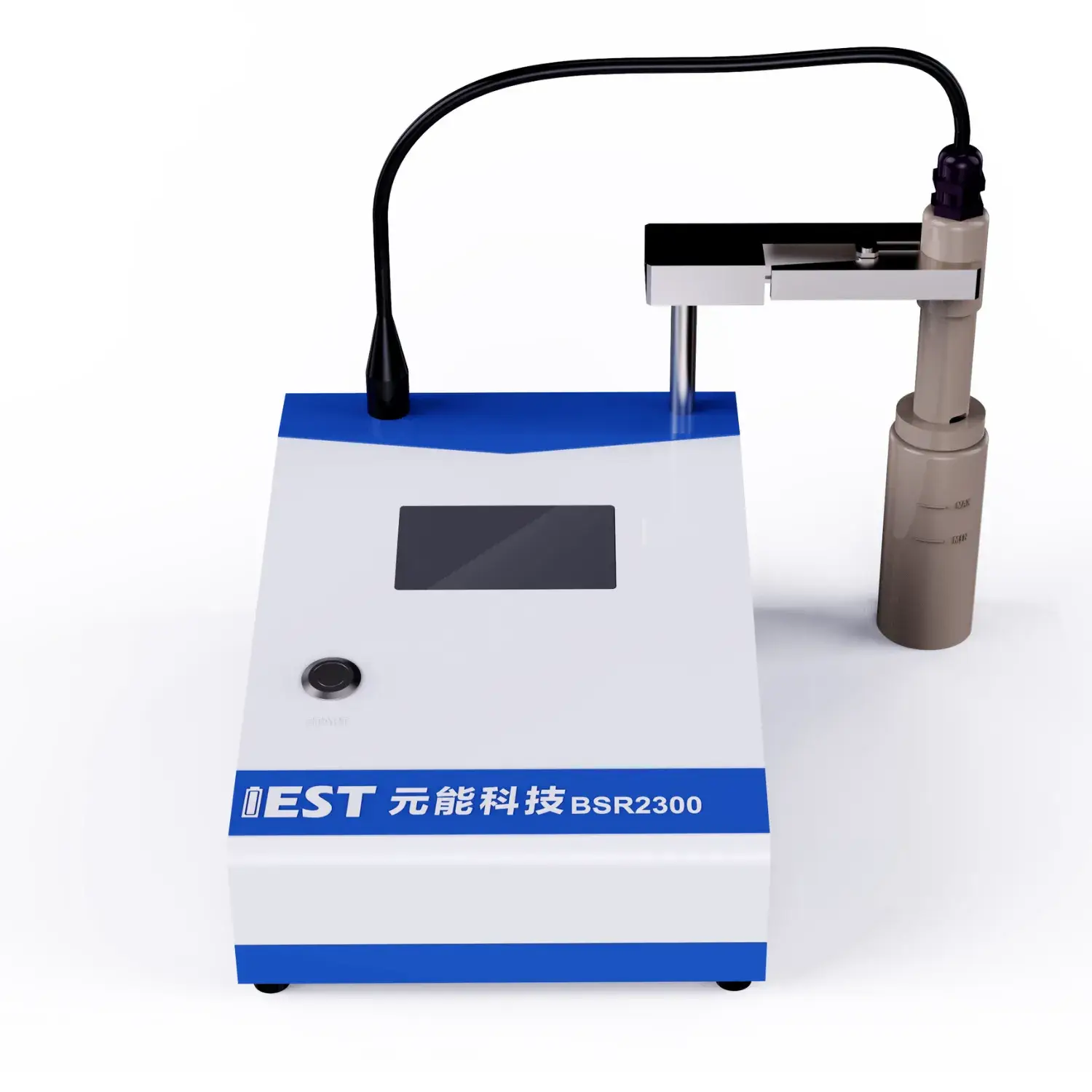
electrode resistance
Comments on “Customer reference list available eis testing for material characterization”